Anchorage Window Replacement: Windows, Doors, Glass & Storefronts
Residential and commercial window and door work quoted against a minus-seven-degree design day, not a catalog page.
- ✓Licensed and bonded in Alaska
- ✓Every quote names its U-factor
- ✓Warm-edge spacer as standard
- ✓Free written spec and estimate
Anchorage Window Replacement is a window, patio door, entry door and storefront glass contractor covering the Anchorage Bowl, Eagle River, Girdwood and the Hillside. We quote vinyl, pultruded fiberglass, wood-clad and thermally broken aluminum, and we put the U-factor, the spacer type and the air leakage rate on the estimate.
The number that governs this work is local. Anchorage Municipal Code chapter 23.85 replaces the residential energy table outright, and its equivalent U-factor line for Climate Zone 7 lets a replacement window sit at U-0.32 and a skylight at U-0.55. Table R301.2(1) in the same chapter sets the winter design temperature at seven below zero. A window can satisfy the first number and still run wet at the second.
So we design to the surface, not to the certificate. Warm-edge spacer, low-conductivity frame, argon at the right cavity width, and a sill pan that drains before it freezes. Where a cheaper answer works, we say so: a fogged sealed unit usually gets reglazed into the frame you already own, and a basement bedroom often reaches egress with a permanent step rather than a saw cut.
Why Anchorage Chooses Anchorage Window Replacement
- ✓We design to the minus-seven-degree winter design temperature the municipality publishes in its own residential design criteria table, and we tell you what the glass edge and frame will do at that number rather than quoting the center of the pane.
- ✓Every estimate names the frame material, glazing build-up, gas fill, spacer, NFRC U-factor and air leakage rate for each opening. If two openings get different specs, the estimate says why, because a north bedroom and a stairwell are not the same problem.
- ✓We measure indoor humidity before we blame the windows. Frost on new glass is a surface-temperature and moisture problem together, and pretending it is only one of those sells a lot of unnecessary units in this town.
- ✓We reglaze before we replace. If a frame still operates, still seals and is not rotted at the sill, a failed sealed unit is glass work and gets priced as glass work, not as a window.
- ✓Sill pans, back dams and interior air seals are drawn and priced as line items, tied into the vapor retarder the residential code already demands in insulated assemblies here. The install detail is what fails in this climate, not usually the product.
- ✓We are straight about the permit line. Replacement inside an existing rough opening is exempt in Anchorage; enlarging that opening is not, and we say which one your job is before anything is ordered.
About Anchorage Window Replacement in Anchorage, AK
We are a window and door contractor working the Anchorage Bowl, the Hillside, Eagle River and out along the Glenn and Seward highways. The work is ordinary: replacement windows, patio and entry doors, sealed-unit repair, and storefront glass for small commercial buildings. What we do differently is publish the numbers a job is designed against instead of describing the result in adjectives.
Roughly half the housing in the municipality went up between 1970 and 1990, so most of what we open is pipeline-era and early-eighties stock: aluminum sliders with no thermal break, first-generation vinyl with hard-set seals, and sealed units whose desiccant gave up a decade ago. That stock has predictable failure points, and knowing them is most of what makes an estimate accurate.
Do not hire us if your only complaint is a fogged sealed unit in a frame that still operates and still seals. That is a glass swap, not a window replacement, and it costs a fraction of one. Do not hire us to solve winter condensation without touching indoor humidity either, because new glass alone will move the frost rather than end it, and we would rather say that now than after.
What Anchorage Window Replacement Handles in Anchorage, AK
Energy Efficient Windows
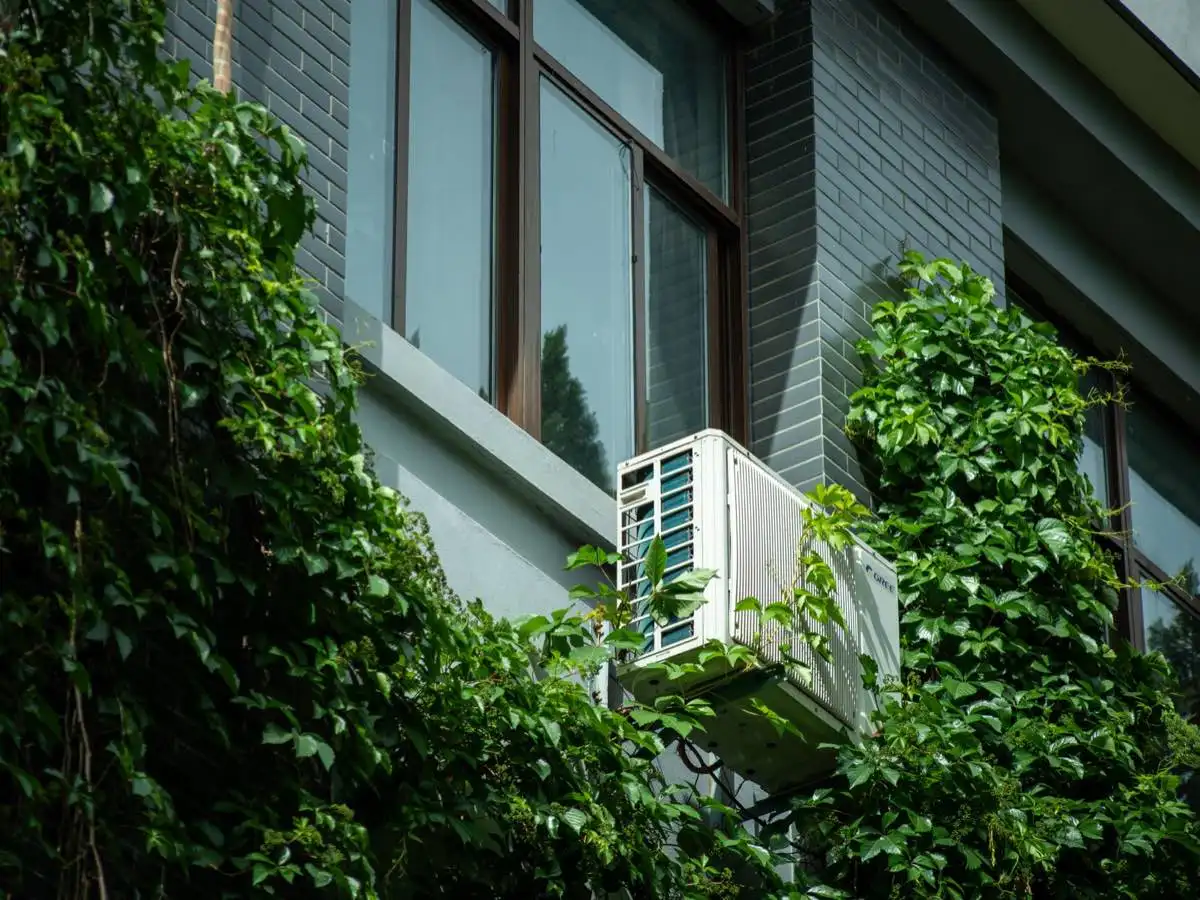
Start with the number the municipality actually adopted. Chapter 23.85 of the Anchorage code replaces the residential energy tables outright, and its equivalent U-factor line for Climate Zone 7 permits a window at U-0.32.
Vinyl Windows
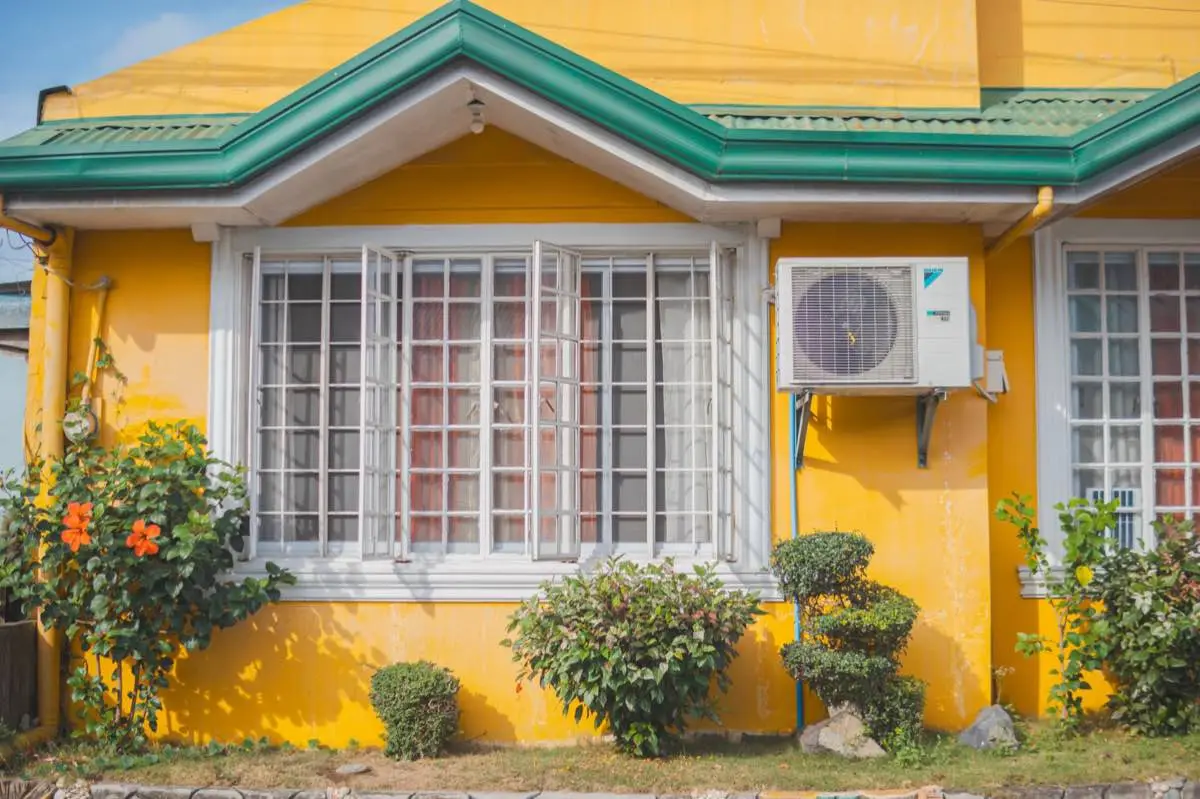
In warm markets vinyl is the budget choice and everyone knows it. In Anchorage it is frequently the thermally correct choice, and that difference is worth understanding before anyone talks you up a tier on the assumption that cheaper means worse.
Fiberglass Windows
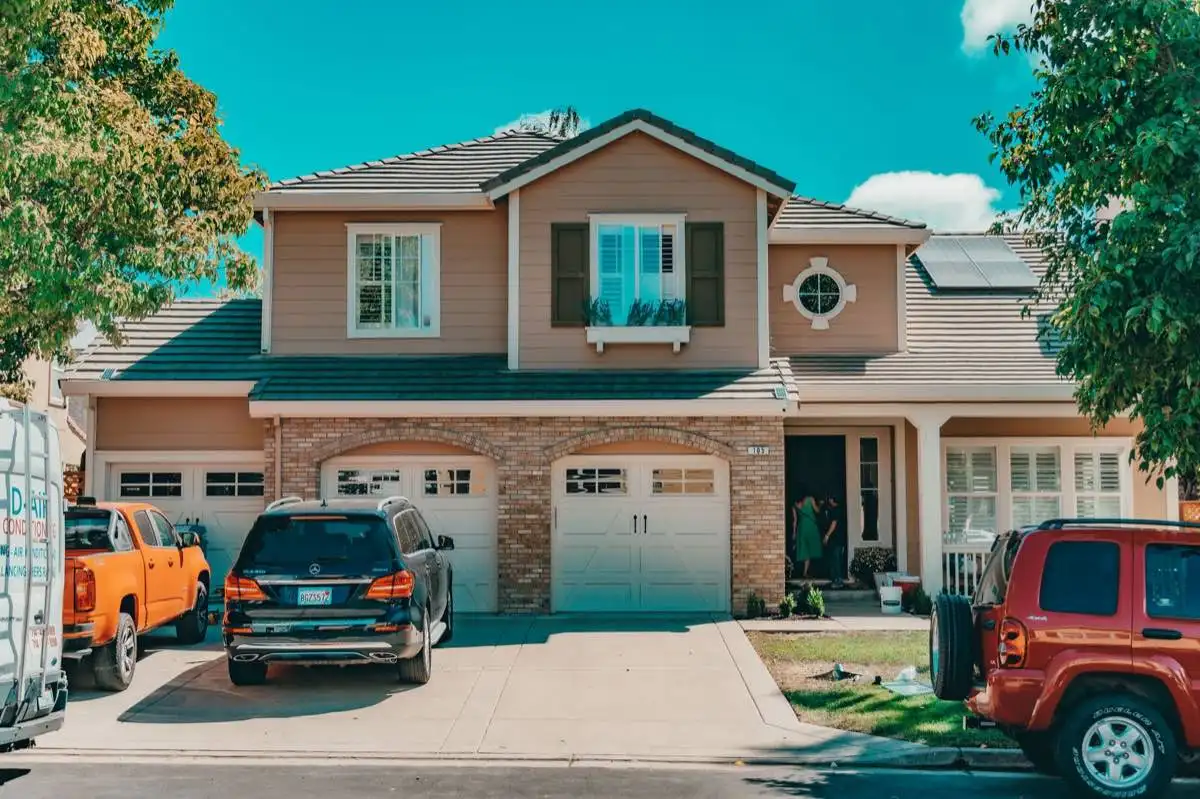
The argument for pultruded fiberglass in this city is a materials argument, and it comes down to one property: the frame and the glass it holds expand and contract at close to the same rate. Very few window materials can say that, and none of the common alternatives can.
Wood-Clad Windows
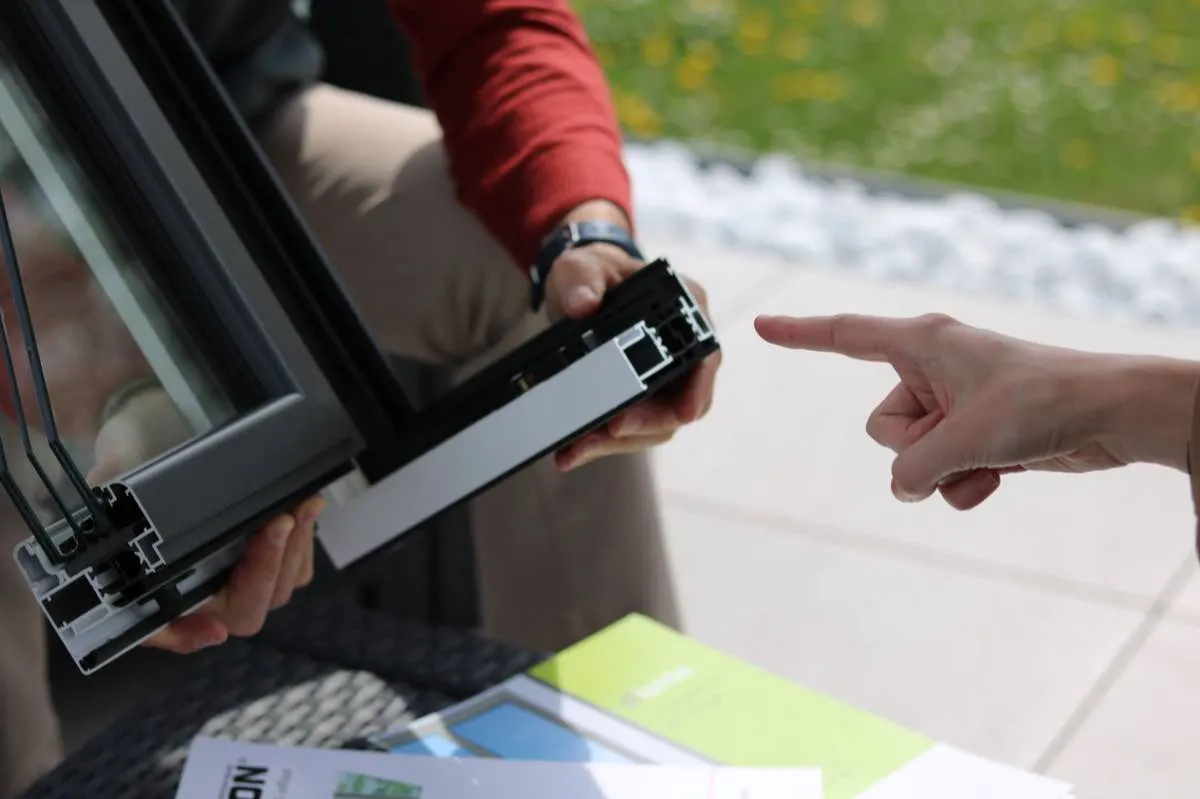
Clad wood is the specification people want for the room and fear for the climate, and both instincts are correct. It deserves a straight account of where it belongs in Anchorage rather than a sales pitch or a blanket warning.
Aluminum Windows
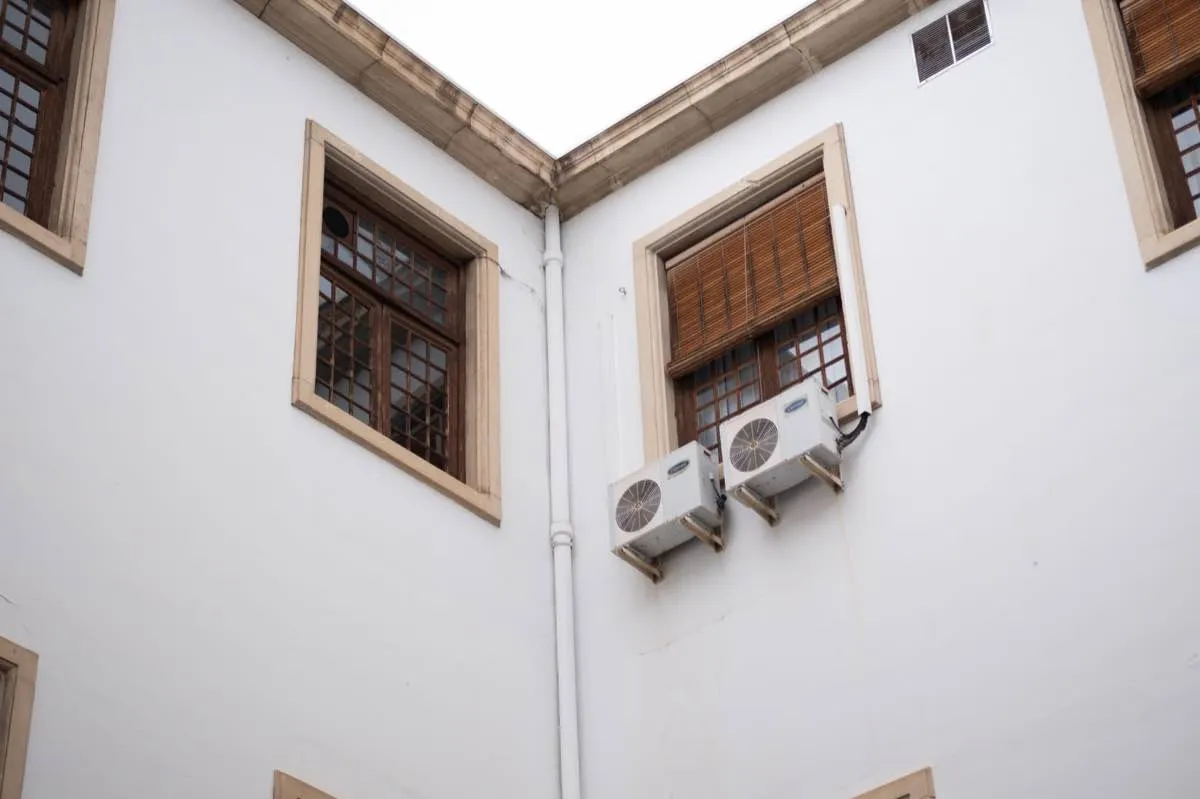
This page argues against its own product for most houses in this city, and it is better to say so at the top than bury it. Unbroken aluminum framing is the worst residential frame material at an Anchorage design temperature, and removing it is a large part of our work.
Double-Hung Windows
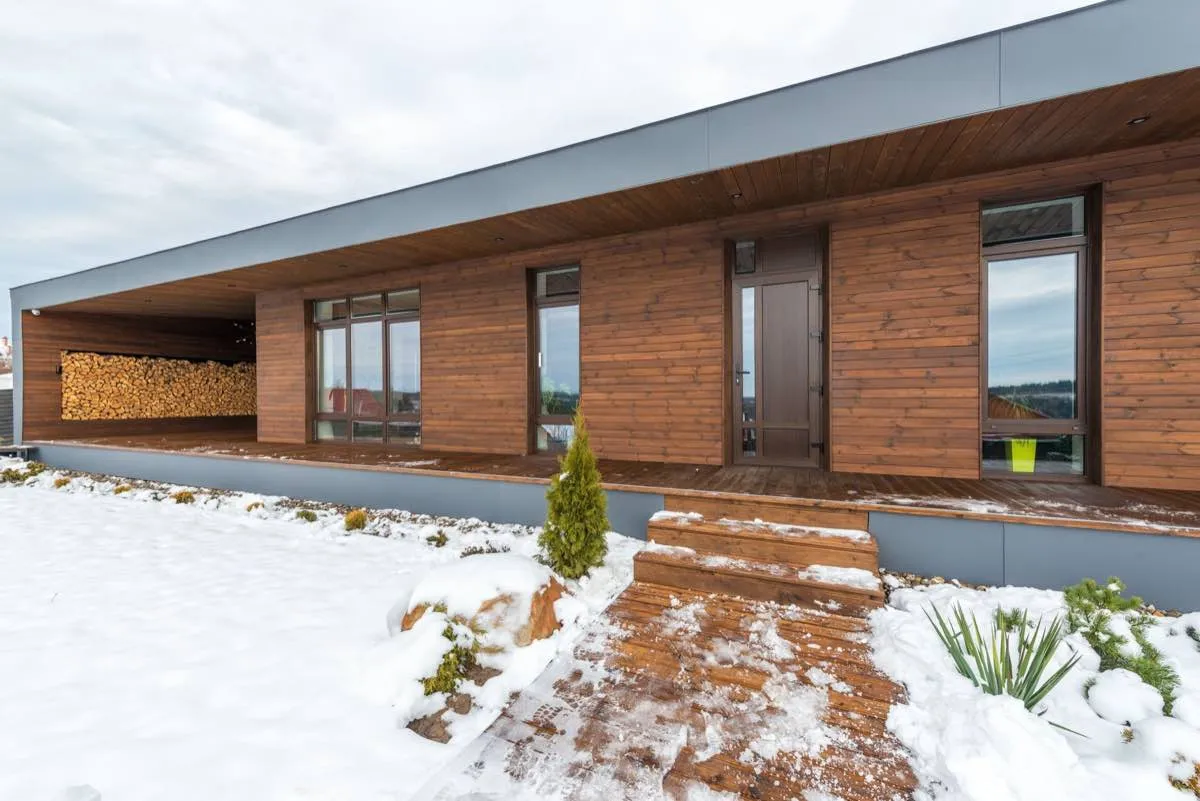
A double-hung window seals by sliding, and everything difficult about using one in Anchorage follows from that sentence. It is a fine window.
Casement & Awning Windows
If one window style is built for this climate it is the compression-sealed one. A casement or awning does not rub past a seal, it clamps onto one, and that single mechanical difference is why these units test tighter than anything else on a wall.
Sliding Windows
The horizontal slider is the most common window in Anchorage's older subdivisions and the one we most often replace with something else. That is not snobbery about the style.
Bay & Bow Windows
Treat a bay or bow as a small cantilevered room hung off the side of the house rather than as a window, because in Anchorage the glass is rarely the part that gives out. The head board, the seat board and the little roof above it are.
Picture & Architectural Windows
Anchorage sells its views hard and the windows follow. Chugach front, inlet, Sleeping Lady.
Egress Windows
This is the page most likely to save you money, so read it before you get a quote from anyone. A great many Anchorage basements that look non-compliant already comply, and several that do not can be fixed without cutting concrete.
Impact & Laminated Glass
We are going to talk you out of the usual reason for buying this product. If someone has quoted you impact glazing for Anchorage storm protection, the municipality answers that question in its own adopted code, and the answer it gives is no.
Patio & Sliding Doors
In most Anchorage houses the biggest hole in the wall is a sliding patio door, closed by the weakest sealing mechanism we sell. Forty square feet of glass and a few feet of brush pile, on a wall facing a deck full of snow.
French Doors
The reason we recommend hinged doors over sliders on many Anchorage decks has nothing to do with looks. A hinged leaf closes by compressing a gasket, a sliding panel closes by rubbing past one, and at seven below that distinction decides how the door behaves.
Entry Doors
Before you spend four thousand dollars on a front door, look at what stands in front of it. If your house has an arctic entry in poor shape, fixing the vestibule will do more for the doorway than a new door, and cost less.
Glass Repair & Sealed Unit Replacement
Fog between the panes is not a broken window. It is a broken sealed unit sitting inside a frame that is usually perfectly serviceable, and confusing the two is the most expensive mistake homeowners in this city make with us on the phone.
Commercial Storefront Glass
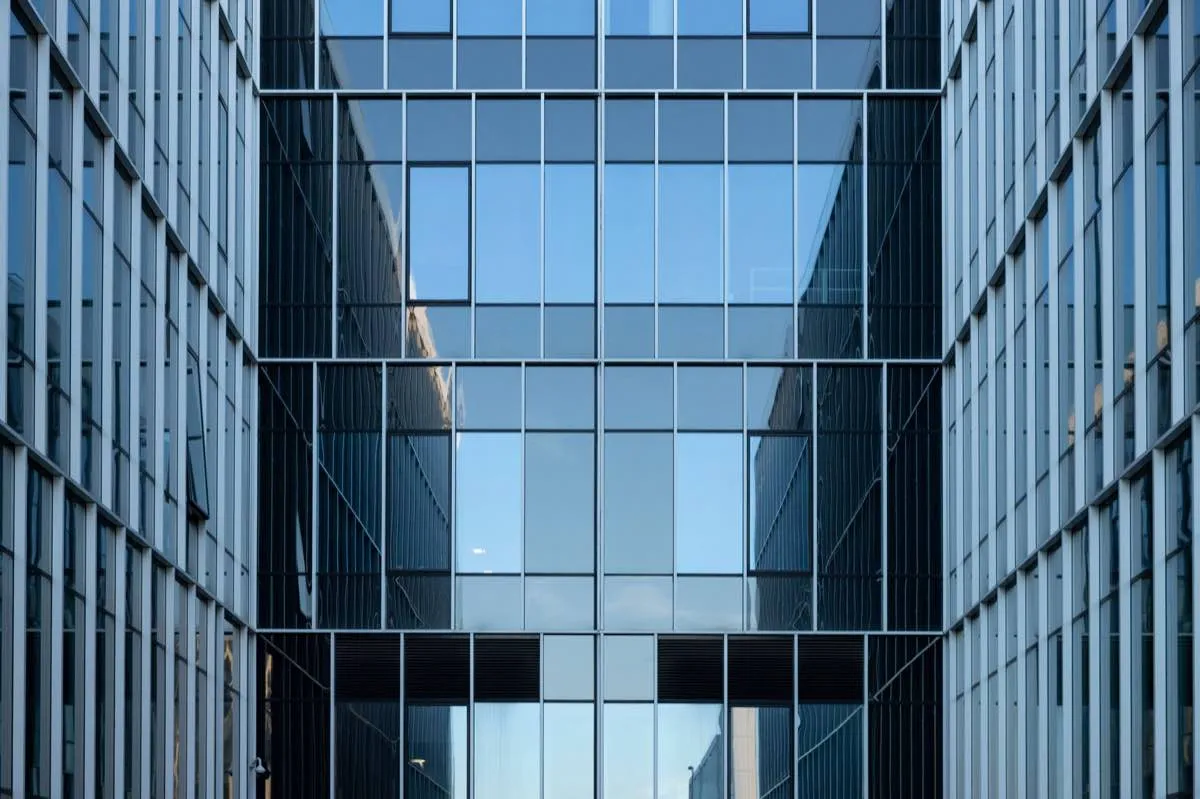
Walk past any older Anchorage retail frontage on a cold January morning and look at the mullions. The frost you see is not a failure of workmanship.

Storefront, curtain wall and multi-family glazing
Commercial glazing in Anchorage is governed by a looser table than housing is, and that is exactly why so much of it sweats. The municipality's replacement of the commercial fenestration table for Climate Zone 7 permits a metal-framed curtain wall or storefront at U-0.40, other metal-framed vertical glazing at U-0.45, and entrance doors at U-0.80.
Those are legal numbers that will still ice up on a January morning with a lobby at seventy degrees. We glaze small commercial and multi-family work to the surface temperature the building actually needs, then document how far above the code line the assembly landed.
- ✓Thermally broken storefront framing with polyamide struts, specified against the mullion surface temperature rather than the catalog U-factor alone
- ✓Sealed-unit replacement in existing aluminum systems, including warm-edge spacer upgrades where the frame itself is staying
- ✓Glass retention detailing appropriate to seismic design category D, which is the hazard the municipal design criteria table actually flags for Anchorage
- ✓Entrance doors, closers and thresholds set up for continuous winter use, with sweep and weatherstrip choices that survive ice rather than jam against it
- ✓Insulated spandrel panels and shadow-box assemblies detailed so the back pan does not become the condensing surface
- ✓Multi-family and fourplex window packages priced by elevation, since a north wall and a courtyard wall rarely deserve the same glazing
- ✓Tempered and laminated safety glazing where the hazardous-location rules apply, with the specification written out per opening
- ✓After-hours and phased glazing so a tenant space keeps trading, with temporary closure that holds heat overnight
Recent Projects Across Upper Cook Inlet
Full gallery →
How It Works
- We measure the openings and the surfaces. Every opening gets a rough-opening measurement, a sill and jamb condition note, and an infrared reading on the frame and glass edge if the weather allows it. Frost patterns tell us more than a tape does. We also record which openings serve sleeping rooms, because those carry a size floor the rest do not.
- We write the spec before we write the price. You get frame material, glazing build-up, gas fill, spacer type, NFRC U-factor and air leakage rate for each opening, and the reason each was chosen. Two windows on the same house often get different specs. A north bedroom and a south stairwell are not the same problem and pricing them identically hides that.
- We sort permits and openings honestly. Anchorage exempts window and door replacement from a building permit where the rough opening is not enlarged, under the administrative code's exemption list. Cut the opening bigger, and it is no longer exempt. Which side of that line your job sits on gets settled before anything is ordered, not after.
- We flash, seal and prove the install. Sill pan with a back dam, sloped and lapped over the housewrap, low-expansion foam at the perimeter, and a continuous interior air seal tied into the vapor retarder the code already requires in insulated assemblies. Then we open and close every sash, check the compression at the corners and hand over the labels.
What Anchorage Customers Say
They talked me out of half of what I asked for. I wanted the whole house done and was told six openings were fine and only the north side needed replacing. The estimate listed a U-factor and a spacer type per window, which nobody else bothered to do. Second winter now with dry sills on that side.
We had ice building on the bottom of two big front windows every January. Turned out the units were fine and the humidity in the house was running near fifty percent. They fixed the worst two windows, told us what to do about the moisture, and did not try to sell the other nine.
Fogged glass in four sealed units on a fifteen-year-old fiberglass frame. Instead of quoting whole windows they measured the units and reglazed them into the existing sash with a better spacer. Cost a fraction of what the first company quoted and the frames were never the problem.
Basement bedroom for our daughter, and we were braced for cutting the foundation. They measured the existing opening, showed us the sill-height allowance in the municipal amendment, and it already made the clear opening. One permanent step and a new sash and we were done for a tenth of the budget.
Where the Crews Go
Anchorage Window Replacement serves Anchorage, AK and surrounding communities including:
Frequently Asked Questions
Do I need a permit to replace windows in Anchorage?
Usually not. The Anchorage administrative code lists replacement of windows and doors as permit-exempt where the rough opening is not enlarged, which covers most like-for-like retrofits. The exemption stops at the opening. Widen or deepen a rough opening, and the work needs a permit and an inspection.
The same code section is explicit that being exempt from a permit does not exempt anyone from the municipal contractor licensing requirement, so ask for a license number regardless of whether a permit is pulled.
What U-factor should a replacement window have in Anchorage?
The adopted floor is U-0.32 for windows and U-0.55 for skylights, from the equivalent U-factor table in municipal code chapter 23.85 for Climate Zone 7. That is a legal minimum, not a target. ENERGY STAR's Northern criteria sit at U-0.22, which is where a good double with two coatings or a triple lands. Most Anchorage houses do well between those numbers, and the money above U-0.25 is better argued on comfort and dry glass than on the gas bill.
Why do my windows frost on the inside even though they are new?
Because the frost forms where the surface is coldest, and that is almost never the middle of the glass. It is the edge of the sealed unit and the frame, where the spacer and the frame material conduct. Raise those surface temperatures with a warm-edge spacer and a low-conductivity frame, and lower the indoor humidity as it gets colder outside, and the frost line retreats. Two houses with identical windows can behave completely differently on humidity alone.
Is triple glazing worth it in Anchorage?
Sometimes, and the honest reason is rarely the fuel bill. Nearly four in five occupied homes in the municipality burn piped utility gas, which is inexpensive against the incremental cost of a third lite, so the energy payback stretches out. What triple glazing genuinely buys here is a warmer inside surface, less draft off a large pane, and much more condensation margin. Buy it for a big north or west elevation, and skip it on small punched openings.
Does my basement bedroom window meet the egress rule?
It might already. The municipal amendment to section R310.1 lets a basement escape window measure up to 48 inches from finished floor to the bottom of the clear opening, rather than the 44 inches the base code allows.
Building safety policy also permits one permanent step in front of an existing basement window to reach the sill, with limits on rise, run and width. New sleeping rooms cannot use that step. Clear opening still has to make 5.7 square feet, 24 inches high and 20 inches wide.
Do I need impact glass for Anchorage storms?
No. The climatic and geographic design criteria the municipality adds to the residential code answer the windborne debris zone question with a flat no, so there is no debris requirement to satisfy here and no reason to price a Florida glazing package. The hazard that is on that same table is seismic design category D.
If you want laminated glass in Anchorage, buy it for glass retention in a shake, for street noise, or for fade control, and be told that is what you are buying.